Istanbul Medeniyet University Sustainability Office conducted sustainably themed workshops for children as part of the “Sultanbeyli Environment and Zero Waste Festival” organized by the Sultanbeyli Municipality at Sultanbeyli Meydan Park on May 14-16, 2026. The Sustainable IMU team, consisting of Sustainability Office research assistants Ayça ÇELİKBİLEK and Furkan ERUÇAR, along with Bedrihan YALTA, a member of the IMU Sustainability Club, provided information to students of various age groups on waste reduction and zero waste.
In the workshop area set up during the festival, the Sustainable IMU team introduced participants to the PetMachine system they use to convert single-use PET bottles into filaments, demonstrating practically how PET bottles are recycled and turned into filaments on our university campuses. Students also learned about the types of plastics used in daily life, their areas of use, and their recycling processes during the PET bottle recycling demonstration. Meanwhile, emphasis was placed on the negative environmental impacts of single-use plastics. As a result, the children not only learned about waste sorting but also gained a holistic understanding of the plastic lifecycle and resource management, while having the opportunity to closely observe the recycling processes.
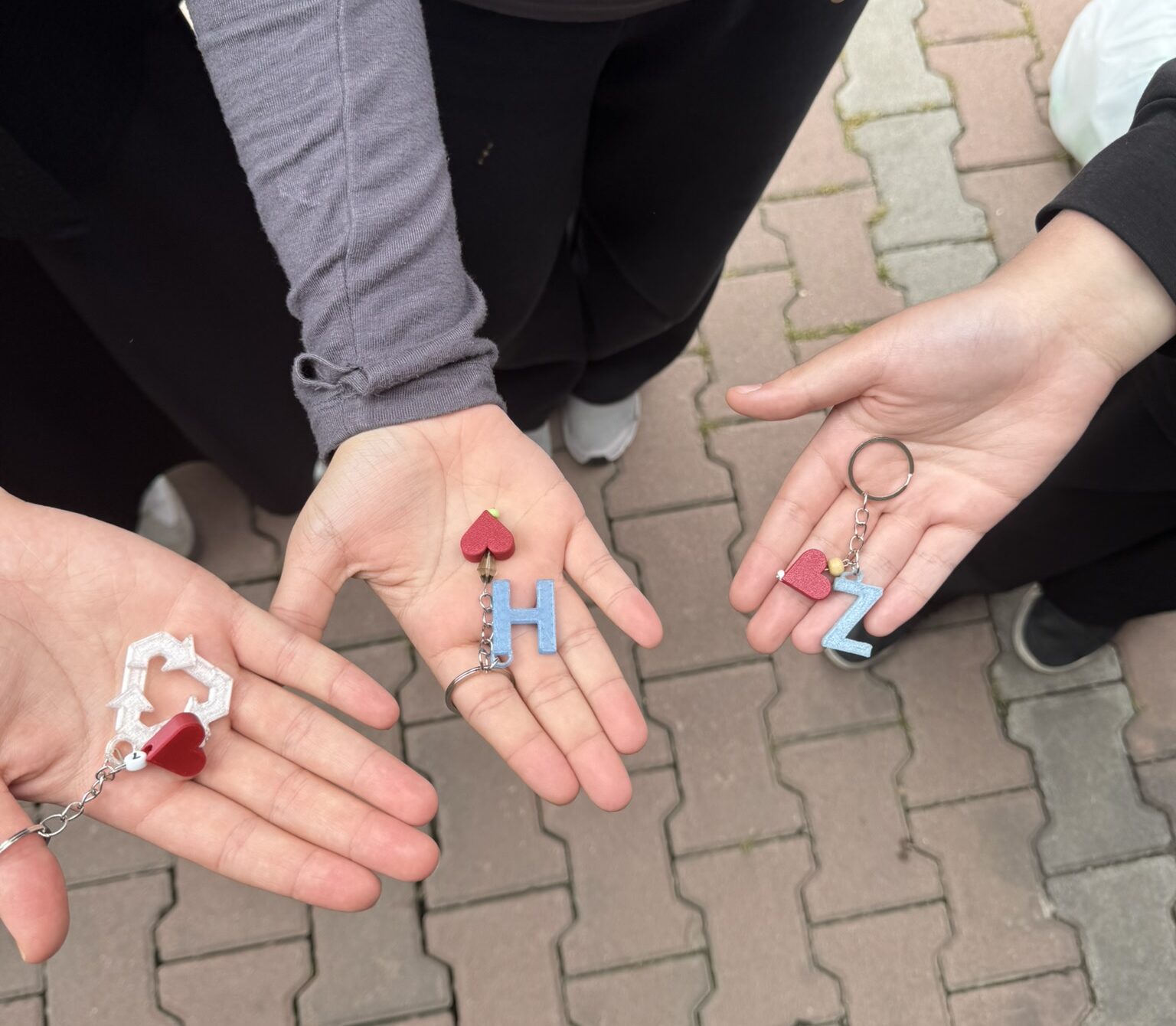
During the event, filaments made from plastic waste at the festival site were transformed into products using 3D printers under the guidance of our academics, allowing participants to experience firsthand how the bottles they had thrown into recycling bins could be turned into circular products through this process. To achieve this, products were first printed on a 3D printer using filaments made from PET bottles; participants then used these printed materials to create keychains. The fact that each participant personalized their own design demonstrated how creative production processes can be integrated with sustainability efforts. The events aimed to raise children’s awareness of responsible consumption, environmental consciousness, and waste reduction. Children’s active participation in the production processes during the workshops contributed to fostering an understanding of sustainable production from a young age. The process of extracting filament from PET bottles and using these filaments in the production of new products was shared with participants as a concrete example of the circular economy approach.
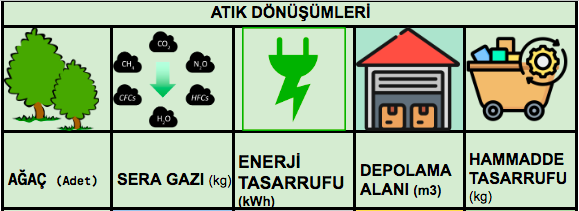
During the event, which was organized in line with the principles of the circular economy, participants recycled waste PET bottles to produce 63 keychains. As part of the event, approximately 2 kg of plastic waste was recycled, including 1.8 kg of waste PET bottles. Thanks to the event, a total of 11,540 kWh of energy was saved, the consumption of 0.033 barrels of oil was prevented, and 82 grams of greenhouse gas emissions were avoided.
As part of the festival, children were introduced to games created through the “RePlay: From Waste to Toy Project”—developed by the IMU Sustainability Club and supported by the Turkish Ministry of Youth’s Ünides program—which involved the upcycling and recycling of PET bottles and plastic medicine caps. While children had fun with recycling-themed games, they also gained awareness about reuse and zero-waste approaches, and experienced firsthand what the waste they placed in zero-waste bins could become after the recycling process. Through hands-on activities, the idea that waste generated in daily life can be reused in various production processes was conveyed, with the aim of fostering awareness about waste management at an early age.
In line with Istanbul Medeniyet University’s vision for a sustainable campus, the university’s commitment to the zero-waste approach was shared with the public through hands-on activities held during the festival. The events, which drew significant interest throughout the festival, contributed to strengthening the culture of collaboration between the university, local government, and the community, while also supporting the widespread adoption of sustainable living practices through joint efforts.