The “Transformation Workshops” organized in collaboration between Istanbul Medeniyet University and Maltepe Municipality with the aim of promoting sustainable production and consumption habits, reducing waste generation, and engaging individuals as part of the solution, are continuing.
The “Transformation Workshops” social responsibility project, organized in collaboration between Istanbul Medeniyet University and Maltepe Municipality with the aim of raising awareness about zero waste, focused on textile waste during its third week. During the week dedicated to the upcycling of textile waste, two separate “Upcycling Brooch Design Workshops” were held on April 9–10, 2026, targeting two different audiences. The workshops were designed to include both university students and the local community, aiming to spread sustainability awareness across different age groups and social circles.
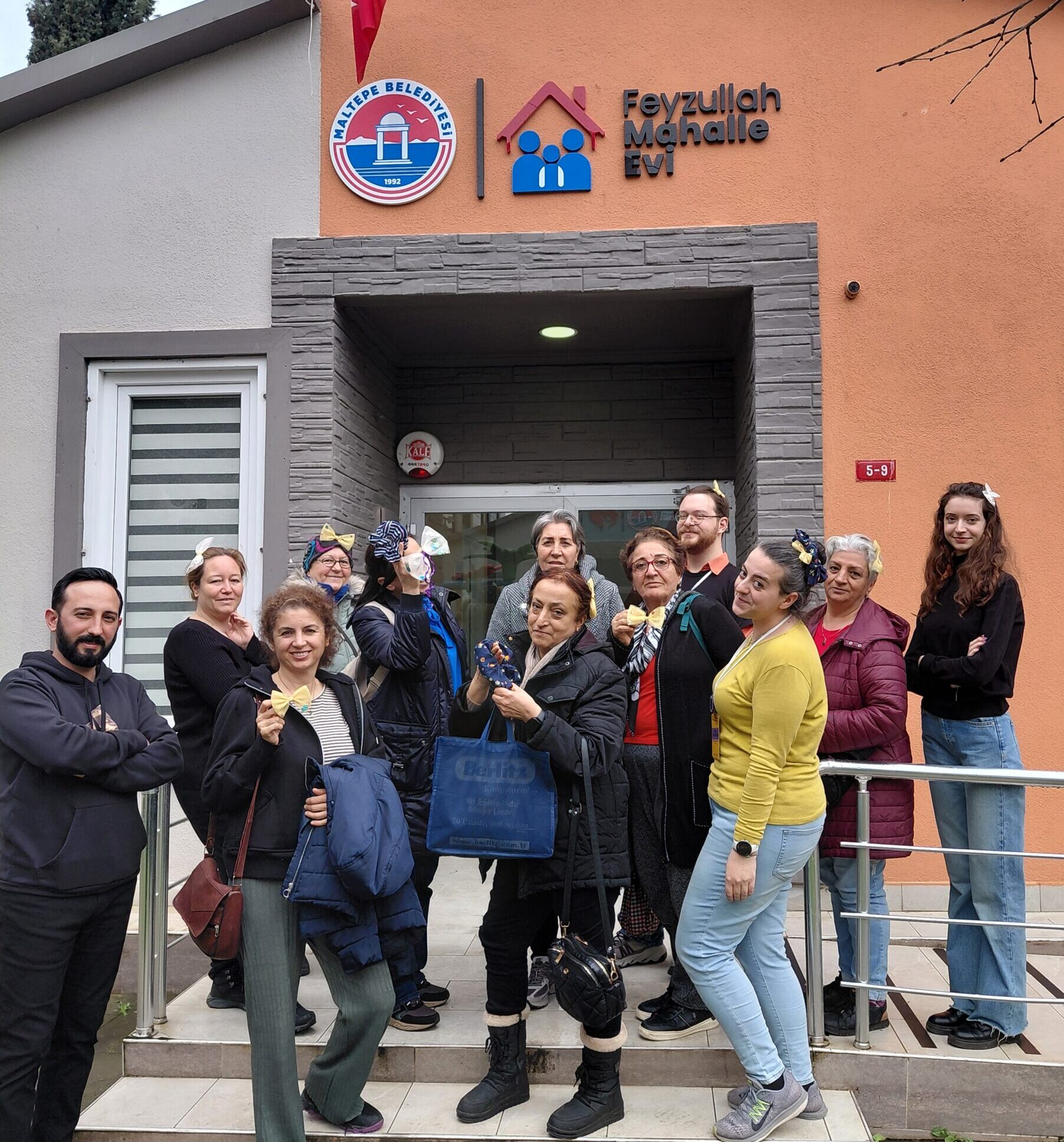
The first workshop was held on April 9, 2026, at the university’s Sustainability Office with student participation; the second workshop took place on April 10, 2026, at the Feyzullah Neighborhood House in Maltepe, targeting women in the area. A total of 20 people participated in the workshops, and approximately 2.5 kg of textile waste was upcycled. At both events, participants were informed about the environmental impacts of textile waste and had the opportunity to experience firsthand how this waste can be transformed into valuable products.
The workshop programs began by drawing attention to the environmental problems caused by textile waste on a global scale. It was emphasized that, with the rise in fast-fashion consumption habits, textile waste poses a serious environmental burden, and that the pressure on water consumption, carbon emissions, and landfill sites is increasing day by day. In this context, the concepts of recycling and upcycling were discussed in detail; it was noted that upcycling not only reduces waste volume but is also a process that generates creative and economic value.
Following the theoretical session, participants were presented with practical examples developed within the university demonstrating how textile waste can be repurposed in various ways. In this section, participants were both inspired by design products that could be created using simple materials and prepared for the production process.
During the workshop’s practical phase, participants actively engaged in the circular economy. In the practical segment, two different hair clip designs were created using fabric scraps, tulle, beads, sequins, and elastic. Participants used their creativity to produce unique designs; each individual took home the product they created at the end of the workshop. This process not only fostered environmental awareness but also contributed to participants gaining green skills, developing design-oriented thinking, and becoming directly involved in production processes.
The source of the materials used in the workshops was also a key factor in reinforcing the project’s sustainability approach. At the event held at the university, fabric scraps collected from tailors by the IMU Sustainability Club were repurposed; meanwhile, at the workshop in Maltepe, materials obtained from textile waste bins were used. This not only facilitated the revaluation of local waste streams but also concretely demonstrated to participants how waste can be reclaimed within the real-life cycle.
These workshops demonstrated that sustainability is not merely a theoretical concept but an approach that can be integrated into daily life practices. At the same time, by equipping participants with new skills, they contributed to individuals developing more conscious consumption habits in their own lives. Such initiatives, which aim to go beyond raising social awareness to directly foster behavioral change, represent significant steps taken at the local level toward a sustainable future.
The “Transformation Workshops” organized as part of this initiative have had a powerful impact in both environmental and social terms; by bringing together diverse communities around a common goal, they have contributed to the spread of a culture of sustainability.
The fourth session of the “Transformation Workshops,” scheduled for April 24, 2026, will focus on paper waste, with used paper being recycled to produce new paper. Further details can be found on the Sustainability Office’s Instagram account.